Paleontological Museum
Estepona · Villages & culture
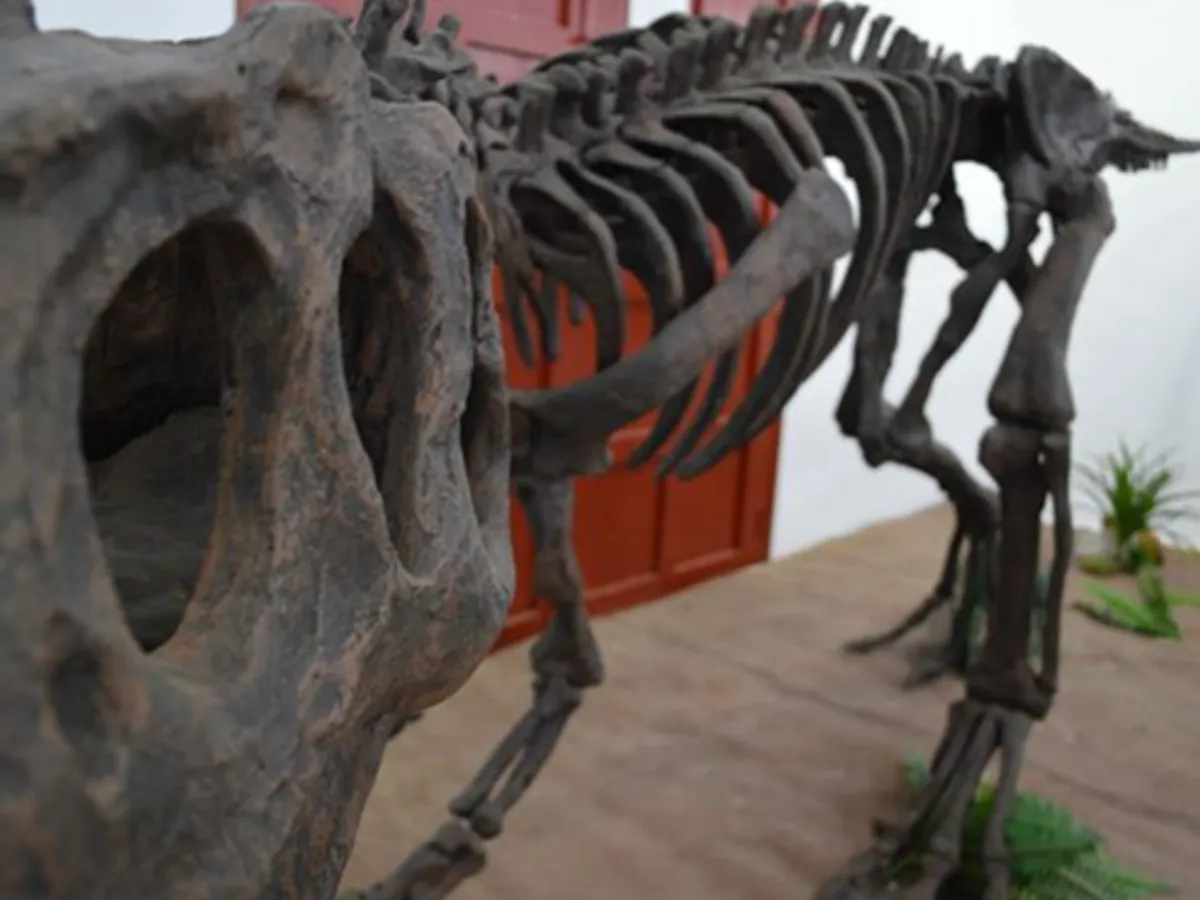
The Paleontological Museum of Estepona was inaugurated in 2000 and was a reference in the recognition of Andalusian paleontological heritage. Currently in its rooms we can see an important collection of dinosaurs, these are replicas of skeletons of extinct Patagonian reptiles excavated and deposited in the MEF (Egidio Feruglio Paleontological Museum) in Trelew (Argentina). The museum displays a sample of original fossils from the different geological eras found in Andalusia, along with some specimens from other locations in Spain. We highlight the collections of: - Pliocene marine mollusks from the basins of Málaga and Estepona (with ages ranging from 5 to 3 million years) - A coral reef from the Upper Triassic, (Rhaetian, 210 million years old) with the best preserved fossils of the mollusk Rhaetavicula contorta in Spain. They are the oldest fossils discovered in Estepona, including corals, mollusks, sponges and stromatolites - A selection of fossils offering a paleontological sequence from the Lower Cambrian (Trilobites from the Sierra Norte de Sevilla), the Mesozoic (ammonites and belemnites from Casares and Sevilla) and the Cenozoic, to the Holocene, with a collection of today's marine mollusks from around the world.- A sample of rocks and minerals from the area with special attention to the uniqueness of Sierra Bermeja.Free admission.
Nearby
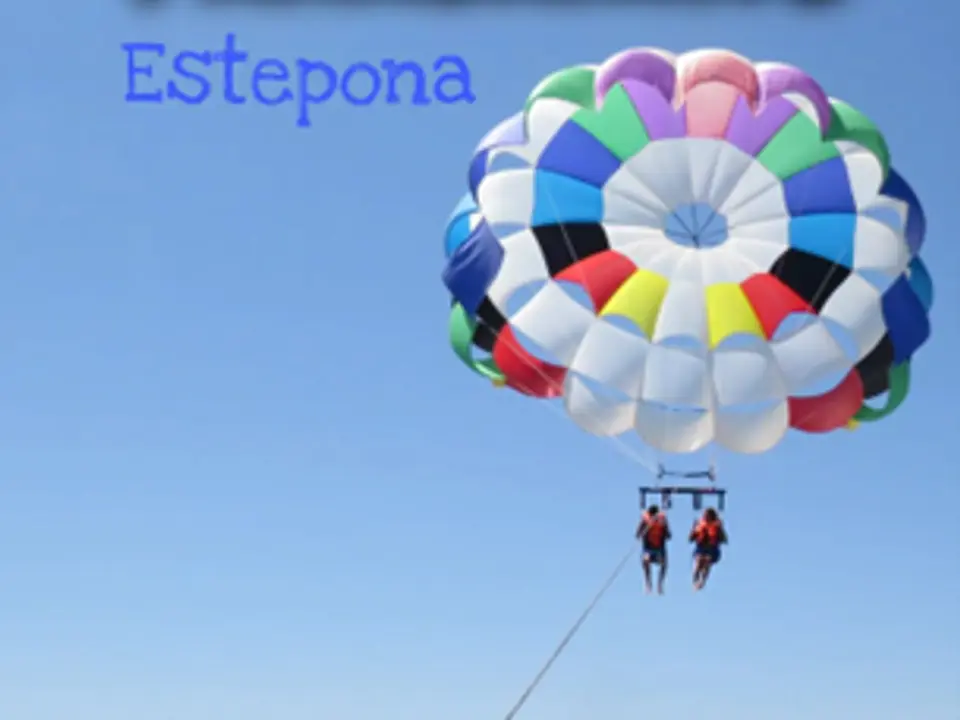
Parasailing
Estepona · Active
10 m in a straight line
Discover parasailing in Estepona.
- With kids
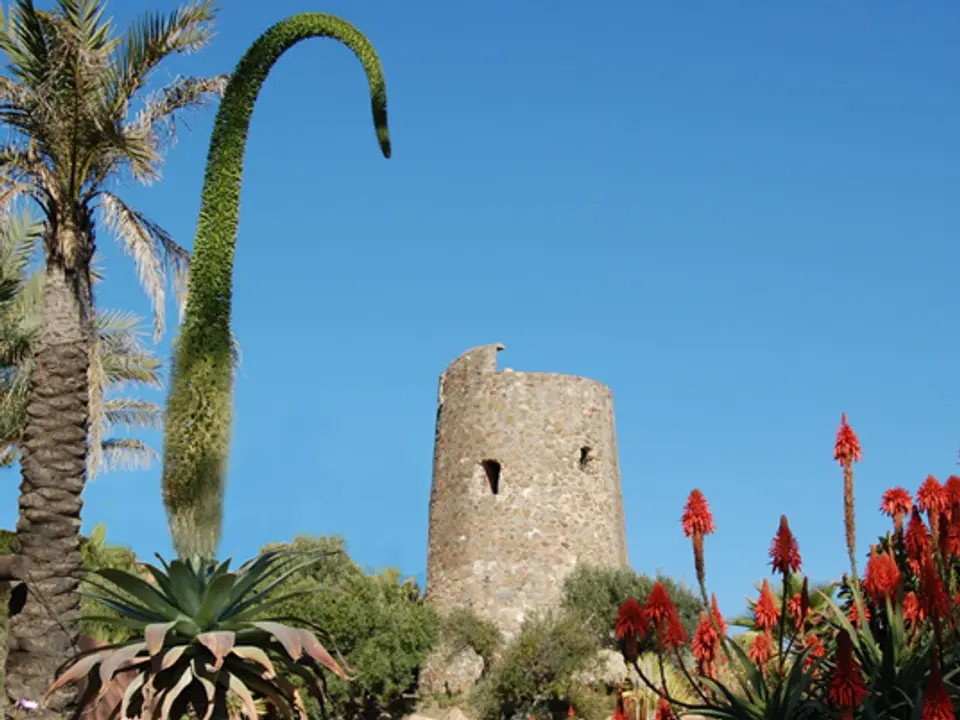
Watchtowers
Estepona · Villages & culture
10 m in a straight line
A pirate legacy
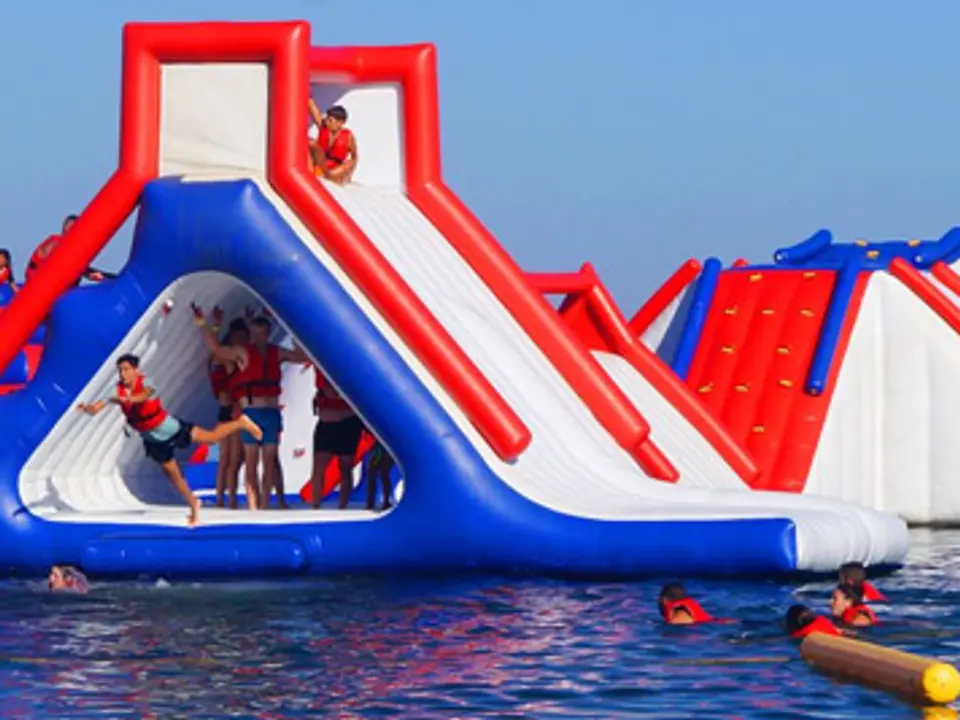
Fun Beach Park
Estepona · Beach & sea
10 m in a straight line
A water amusement park on the beach, offering inflatable attractions and water slides in a natural setting.
- With kids
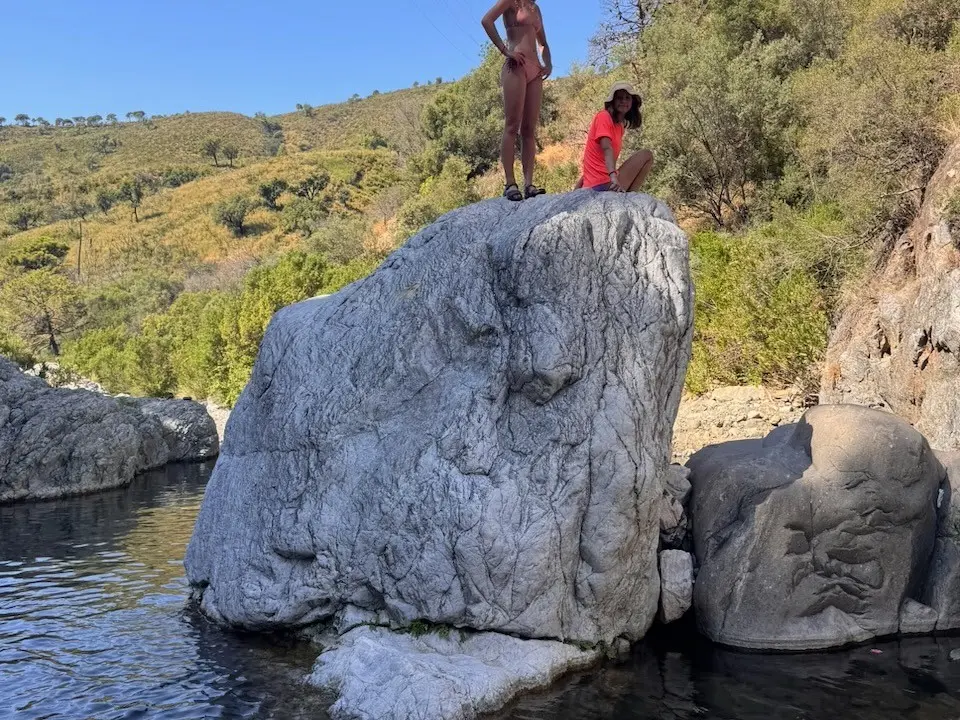
Hiking Charca de las Nutrias-Rio del Castor
Estepona · Nature & walking
Free · 10 m in a straight line
A fun river walk up the Río Castor near Estepona, with water even in summer, small natural dams to cool off in and a few bits where you almost have to swim.
- We've been
- With kids